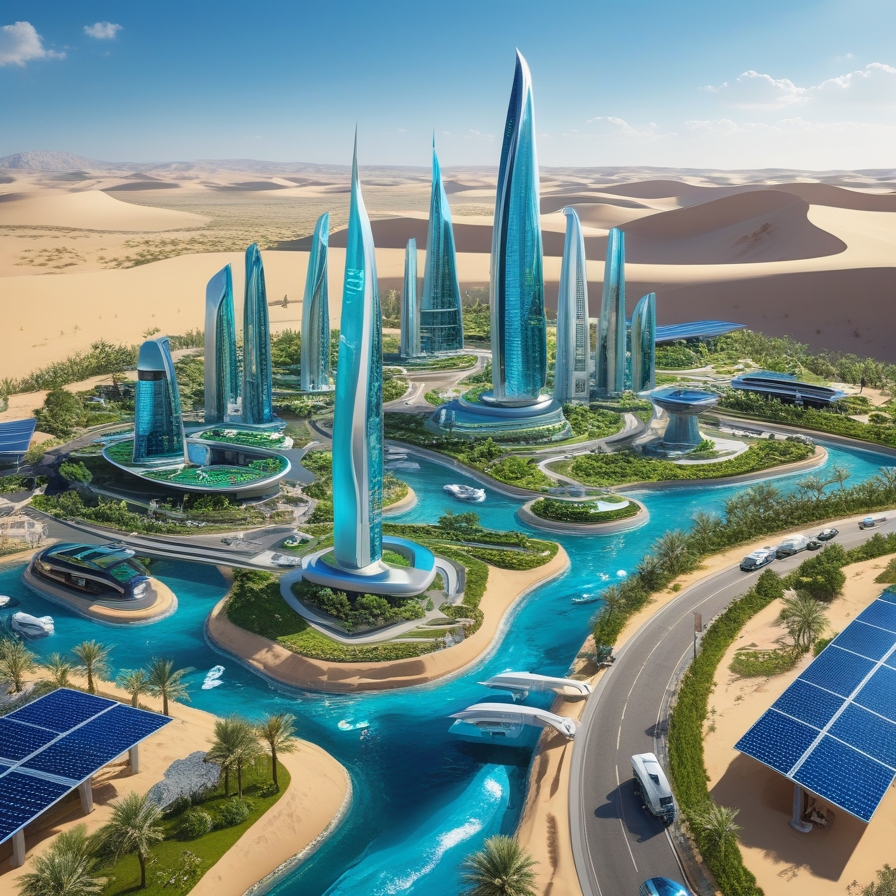
Exploring the Four Key Uses of Solar Energy
Solar energy is a powerful, renewable resource that holds the potential to significantly reduce humanity's dependence on fossil fuels. Harnessing the sun's energy offers a sustainable alternative to traditional energy sources, contributing to environmental conservation and economic savings. The four primary uses of solar energy, which will be explored in detail, include solar electricity generation, solar heating, solar lighting, and solar transportation. Each of these uses represents a unique application of solar technology, showcasing the versatility and potential of this renewable resource.
Solar Electricity Generation: Powering the Future
One of the most prominent uses of solar energy is the generation of electricity. Solar panels, or photovoltaic (PV) systems, are the primary technology used to convert sunlight into electricity. These panels are made up of numerous solar cells that capture sunlight and convert it into direct current (DC) electricity. An inverter then converts this DC electricity into alternating current (AC), which is the form of electricity used in homes and businesses.
Solar electricity generation is not only a clean and sustainable way to produce power, but it also offers economic benefits. As the cost of solar technology continues to decrease, more individuals and companies are adopting solar panels to meet their energy needs. Solar electricity can be used to power homes, businesses, and even entire communities. In regions with abundant sunlight, solar power can significantly reduce electricity bills and dependence on the grid. Moreover, with advancements in battery storage technology, solar electricity can be stored for use during cloudy days or at night, further enhancing its reliability.
Another key benefit of solar electricity is its scalability. Solar panels can be installed on a small scale, such as on the roof of a home, or on a large scale, such as in solar farms that span acres of land. This flexibility makes solar electricity an attractive option for a wide range of applications, from residential to industrial.
Solar Heating: Harnessing the Sun’s Warmth
Solar heating is another vital application of solar energy, particularly in regions where heating is a significant portion of energy consumption. Solar heating systems capture and use the sun’s thermal energy to heat water, air, or spaces. There are two main types of solar heating systems: active and passive.
Active solar heating systems use mechanical and electrical components, such as pumps and fans, to circulate heat-carrying fluids or air. These systems typically include solar collectors that absorb sunlight and convert it into heat. The heat is then transferred to a storage system or directly used to heat water or air. Active solar heating systems are commonly used in residential and commercial buildings for space heating and hot water production.
Passive solar heating, on the other hand, relies on the design and materials of a building to naturally collect, store, and distribute solar energy as heat. This method does not require mechanical components and is often integrated into the architectural design of a building. For example, large, south-facing windows can capture sunlight during the winter months, while thermal mass materials, such as concrete or brick, can store heat and release it gradually.
Solar heating systems offer numerous benefits, including reducing reliance on conventional heating fuels such as natural gas, oil, or electricity. By using solar energy for heating, homeowners and businesses can lower their energy bills and reduce their carbon footprint. Additionally, solar heating systems can be combined with other renewable energy technologies, such as solar electricity, to create a more comprehensive and sustainable energy solution.
Solar Lighting: Illuminating the World Naturally
Solar lighting is an innovative use of solar energy that provides illumination without the need for electricity from the grid. Solar lighting systems consist of solar panels, batteries, and LED lights. During the day, the solar panels capture sunlight and convert it into electricity, which is stored in batteries. At night, the stored electricity is used to power the LED lights.
Solar lighting is particularly useful in areas that are off the grid or where electricity is unreliable or expensive. It is commonly used for outdoor lighting applications, such as streetlights, garden lights, and security lights. In addition to being environmentally friendly, solar lighting systems are cost-effective because they eliminate the need for wiring and reduce electricity bills.
In recent years, solar lighting technology has advanced significantly, leading to the development of more efficient and durable systems. Modern solar lights are equipped with sensors that automatically adjust the brightness based on the surrounding light conditions, further conserving energy. Some systems also include motion sensors, which enhance security by activating the lights only when movement is detected.
The use of solar lighting is not limited to outdoor applications. Indoor solar lighting systems are also available and can be used to illuminate homes, schools, and businesses. These systems are especially beneficial in remote or underserved areas where access to electricity is limited. By providing a reliable source of light, solar lighting improves the quality of life, enhances safety, and supports education and economic activities.
Solar Transportation: Driving into the Future with Clean Energy
Solar energy is making its way into the transportation sector, offering a clean and sustainable alternative to fossil fuels. Solar transportation involves the use of solar panels to power vehicles, such as cars, buses, and even airplanes. While the concept of solar-powered transportation is still in its early stages, it holds great promise for the future of mobility.
Solar cars are perhaps the most well-known application of solar energy in transportation. These vehicles are equipped with solar panels that capture sunlight and convert it into electricity, which powers the electric motor. While most solar cars are currently used for experimental purposes or in solar car races, advancements in technology are bringing them closer to commercial viability.
In addition to solar cars, solar energy is being used to power public transportation systems. Solar buses and trams, for example, are equipped with solar panels on their roofs, which generate electricity to power the vehicle or supplement its energy needs. This reduces the reliance on traditional fuels and lowers the carbon emissions of public transportation.
Solar energy is also being explored for use in aviation. Solar-powered airplanes, such as the Solar Impulse, have demonstrated the potential of using solar energy for long-distance flights. These airplanes are equipped with solar panels on their wings, which generate electricity to power the engines. While still in the experimental stage, solar aviation could revolutionize air travel by reducing its environmental impact.
The use of solar energy in transportation offers numerous benefits, including reducing greenhouse gas emissions, decreasing dependence on fossil fuels, and lowering transportation costs. As technology continues to advance, solar-powered transportation could become a mainstream option, contributing to a more sustainable and environmentally friendly transportation system.
Conclusion: The Expanding Horizons of Solar Energy
The four key uses of solar energy—solar electricity generation, solar heating, solar lighting, and solar transportation—demonstrate the versatility and potential of this renewable resource. As the world continues to seek sustainable alternatives to fossil fuels, solar energy stands out as a clean, abundant, and increasingly affordable option.
Solar energy is not only helping to reduce greenhouse gas emissions and combat climate change, but it is also providing economic benefits by reducing energy costs and creating new jobs in the renewable energy sector. The continued development and adoption of solar technology will play a crucial role in shaping a sustainable future for generations to come.
As more individuals, businesses, and governments embrace solar energy, its impact will only grow, leading to a cleaner and more resilient energy system. Whether through powering homes, heating water, illuminating streets, or driving vehicles, solar energy is set to become an integral part of our daily lives, driving us towards a brighter and more sustainable future.